China edition
What's China’s next wave of economic growth?

Biosolutions could generate 2.4 million direct and indirect jobs by 2035 — growing from €120B today to €413B.
This report highlights how biosolutions can meet and shape domestic consumer demand, strengthen supply chain security, and drive innovation in biomanufacturing.
China edition


Biosolutions: A catalyst for China’s next wave of growth
China's industrial transformation is already underway. As the country scales its new quality productive forces and advances its dual carbon goals, biosolutions are proving to be a strong fit — strengthening productivity and creating value across sectors China is already prioritising.
This report maps the scale of that contribution, and what the right policy conditions could unlock by 2035.

China is building the future. Biosolutions are part of it.
Biosolutions are on the rise.
Are you ready?
With biosolutions touching so many industries, they're creating a virtuous cycle of jobs, growth and resilience for a secure and prosperous future.
With the right policies and innovation frameworks, biosolutions could grow from a EUR 120 billion contribution today to EUR 413 billion by 2035 — on par with the projected 2035 output of China's solar, battery, and EV industries.
Biosolutions drive high-quality development and strengthen national supply security by reducing dependence on imported inputs, turning waste into resources, and building more robust value chains across food, agriculture, and energy — sectors central to China's 15th Five-Year Plan priorities.
In China, biosolutions already support hundreds of thousands of jobs across China‘s agriculture, food, and manufacturing value chains. By 2035, with the right policy conditions, that could grow to 2.4 million jobs —more than current workforce in China’s photovoltaic manufacturing sector.
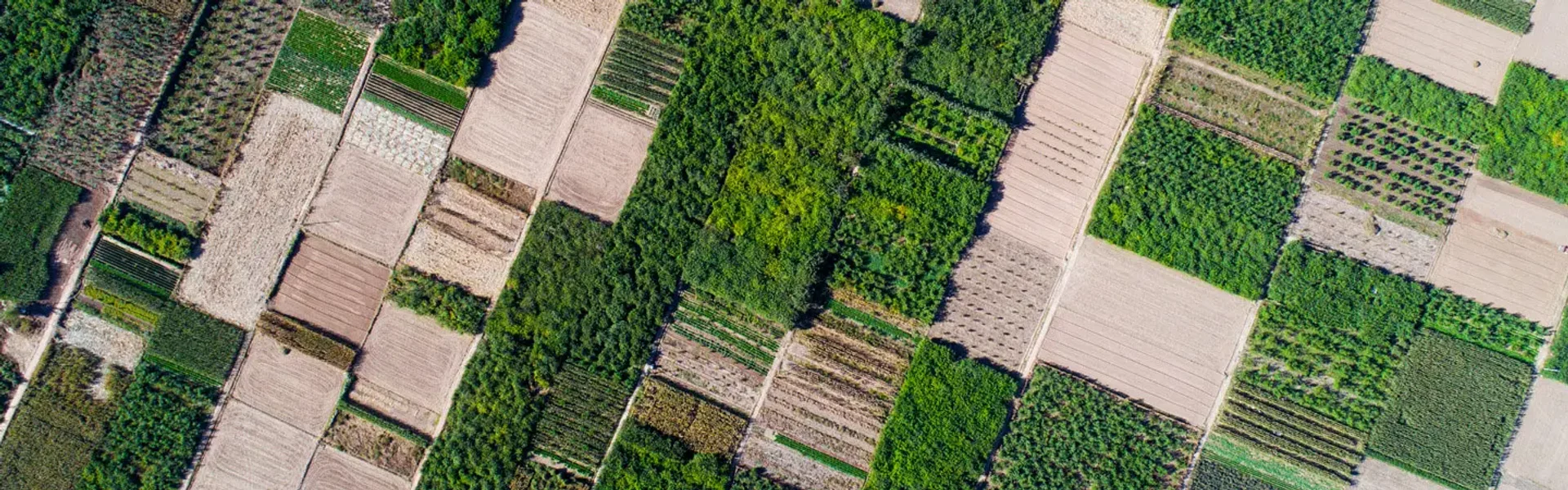
The biosolutions industry is poised for a historic leap—emerging as a new engine of China’s growth, driving resilience and enabling a greener future.
Lensey Chen

Partners and supporters